
Author: langley

  • International Cat Day: 7 Purr-fect Ways to Pamper Your Feline Friend

    International Cat Day: 7 Purr-fect Ways to Pamper Your Feline Friend

    August 8 is International Cat Day, and there’s no better time to show your feline friend just how much they mean to you. Whether they’re an energetic kitten, a lounging senior, or a curious explorer, this is the purr-fect opportunity to give your cat a little extra love — and care.

    But pampering isn’t just about toys and treats. At Langley Meadows Animal Hospital, we believe true love means preventive wellness, mental stimulation, and making sure your cat feels happy, healthy, and safe at every life stage.

    Here are 7 thoughtful and vet-approved ways to celebrate your cat this International Cat Day!

    1. Schedule a Preventive Checkup

    Regular vet visits help us catch health concerns before they become serious. Even indoor cats need annual wellness exams to monitor:

    • Weight and nutrition
    • Dental health
    • Heart and respiratory function
    • Vaccination needs
    • Parasite control

    This International Cat Day, schedule your cat’s annual checkup or a cat wellness package — we’d love to celebrate your kitty with extra care.

    2. Prioritize Dental Health

    Bad breath isn’t just unpleasant — it can be a sign of dental disease, which can lead to pain, tooth loss, and infections. Cats are experts at hiding discomfort, so even if they seem fine, their teeth may tell another story.

    Celebrate your cat with a dental cleaning or a home care routine that includes:

    • Vet-approved cat toothpaste
    • Dental treats or water additives
    • Regular dental checks

    Because every healthy smile deserves some celebration!

    3. Enrichment = Love in Action

    Cats crave mental stimulation. If their environment stays the same every day, they can become bored or even depressed. Treat your cat to:

    • Interactive toys that mimic prey (feathers, lasers, puzzle feeders)
    • A cat tree or window perch with a view
    • DIY treat-hunting games hidden around the house
    • Play sessions — even 15 minutes a day makes a big difference

    These activities mimic your cat’s natural hunting instincts and help reduce stress.

    4. Give Their Diet a Healthy Upgrade

    Is your cat’s food supporting their long-term health? On International Cat Day, review their diet and consult with your vet to make sure it’s:

    • Age-appropriate (kitten, adult, or senior)
    • Rich in protein and essential nutrients
    • Free from fillers or artificial additives
    • Supporting weight and coat health

    You can even treat them with healthy snacks like freeze-dried chicken or vet-formulated treats. Bonus: it’s a great time to book a nutrition consultation with us!

    5. Pamper Them with Grooming (Yes, Even Short-Haired Cats!)

    Regular grooming isn’t just about aesthetics — it promotes circulation, prevents matting, and reduces hairballs. Even cats that “groom themselves” need help, especially as they age.

    Set up a spa session with:

    • A gentle brushing session suited to their coat
    • Nail trimming
    • Ear and eye cleaning
    • And a relaxing cuddle afterwards!

    Tip: Use grooming time to check for lumps, bumps, or skin issues. If anything feels off, we’re just a phone call away.

    6. Create Senior-Friendly Comfort

    If your cat is 7 years or older, they’re officially entering their golden years. Let’s make it comfy for them:

    • Add soft, warm bedding in quiet corners
    • Use pet stairs or ramps to help them access favorite spots
    • Provide joint supplements and routine arthritis checks
    • Keep their litter box easily accessible with low sides

    Older cats deserve all the comfort, and a little adjustment goes a long way in supporting mobility and independence.

    7. Celebrate with a Photo Shoot or Keepsake!

    Cats may be independent, but they love attention in their own special way. Use this day to:

    • Take a photo of your cat doing something uniquely “them”
    • Create a keepsake or paw print
    • Make a scrapbook or collage of your cat’s life
    • Post a tribute online with their story and favorite quirks

    And don’t forget to tag us on Instagram — we’d love to feature your feline star!

    Bonus Tip: Consider a Cat Wellness Package

    To mark the occasion, Langley Meadows Animal Hospital offers cat-specific health bundles that may include:

    • A full wellness exam
    • Vaccinations
    • Bloodwork
    • Dental evaluation
    • Parasite protection

    It’s our way of helping you give back to your cat — the love, safety, and attention they give you every day.

    To Wrap It Up: Your Cat Deserves the Best Every Day

    Whether they spend their time sunbathing by the window or knocking things off shelves at 2 AM, our cats bring so much joy into our lives. Let’s return the favor — not just on International Cat Day, but every day — with care that keeps them healthy and thriving.

    🐾 Want to book your cat’s wellness visit or dental cleaning?
    📞 Call us at (236) 706-0019
    📍 Visit us at 6233 200 St #7, Langley, BC
    💌 Email: langleymeadowsvets@gmail.com

    Let’s make this International Cat Day one to remember — tail wags optional, purrs guaranteed. 💖
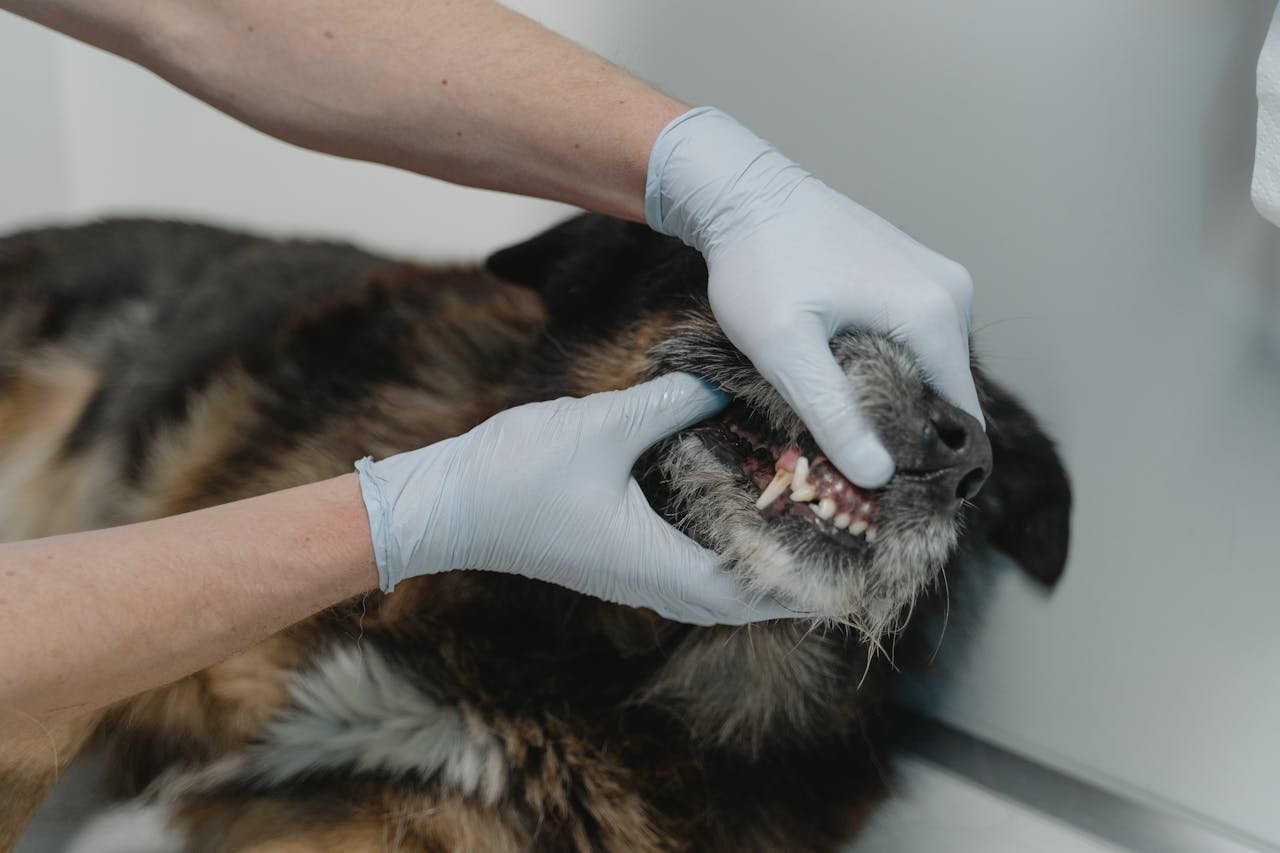
  • Dental Prophylaxis for Dogs: Why Professional Cleanings Are More Than Just Fresh Breath

    Dental Prophylaxis for Dogs: Why Professional Cleanings Are More Than Just Fresh Breath

    While most pet parents think of dental care as simply brushing their dog’s teeth or keeping their breath fresh, there’s much more happening beneath the surface. In fact, dental prophylaxis — a professional cleaning performed by a veterinarian — is one of the most important things you can do to keep your dog healthy long-term.

    At Langley Meadows Animal Hospital, we see every day how untreated dental issues can lead to pain, tooth loss, and even serious organ damage. That’s why we believe dental care is not optional — it’s essential.

    What Is Dental Prophylaxis for Dogs?

    Dental prophylaxis for dogs is a comprehensive professional dental cleaning that takes place under general anesthesia. It’s not just a cosmetic procedure — it includes:

    • Scaling to remove plaque and tartar above and below the gumline
    • Polishing the teeth to smooth surfaces and prevent future buildup
    • Full-mouth examination to detect any loose, damaged, or infected teeth
    • Dental x-rays, if needed, to check for issues below the gumline
    • Extractions, if any teeth are beyond saving

    This level of cleaning simply can’t be achieved with home brushing alone, which is why regular professional dental care is recommended by veterinarians.

    Why Is Dental Prophylaxis Important?

    Dental disease affects more than just your dog’s mouth. Here’s why timely dental prophylaxis matters:

    • Prevents periodontal disease that causes pain, tooth loss, and gum damage
    • Protects organs like the heart, liver, and kidneys from bacteria that enter through the gums
    • Improves quality of life by eliminating chronic pain your dog may not show outwardly
    • Boosts appetite and behavior, as untreated oral discomfort can make dogs irritable or stop eating

    Think of it as a wellness procedure — one that not only treats but prevents illness.

    Signs Your Dog Needs a Dental Cleaning

    So, how do you know when it’s time to consider a professional cleaning? Watch for these signs:

    • Bad breath that won’t go away
    • Visible brown or yellow tartar
    • Red, swollen, or bleeding gums
    • Drooling more than usual
    • Difficulty chewing or dropping food
    • Pawing at the mouth or face
    • Loose or missing teeth

    If your dog is showing one or more of these symptoms, it’s likely time for a dental prophylaxis. Early intervention can prevent further pain and more invasive procedures later.

    How Often Should Dogs Have a Dental Prophylaxis?

    Most dogs benefit from professional cleanings once a year, but this depends on age, breed, diet, and dental history. Smaller breeds like Chihuahuas, Dachshunds, and Yorkies often need cleanings more frequently, as they’re prone to dental issues.

    We’ll assess your dog’s oral health during annual wellness exams and recommend a cleaning schedule that suits their individual needs.

    What to Expect Before, During, and After the Procedure

    At Langley Meadows Animal Hospital, your dog’s safety and comfort come first — especially because this procedure is performed under anesthesia.

    Before:

    • We’ll run pre-anesthetic bloodwork to ensure your pet is healthy enough for the procedure
    • You’ll receive clear instructions about fasting and drop-off timing

    During:

    • Your dog will be closely monitored using advanced equipment throughout the procedure
    • We’ll perform a thorough cleaning, exam, and any necessary x-rays or extractions

    After:

    • Your dog may be a little drowsy for a few hours
    • We’ll provide post-procedure care tips, pain relief if needed, and recommendations for home dental care

    Our team is also available for any questions or concerns — we’ll walk you through every step.

    Preventive Dental Care Starts at Home

    While dental prophylaxis is vital, at-home care helps extend the benefits of a professional cleaning. Here’s how you can help:

    • Brush your dog’s teeth regularly with vet-approved toothpaste
    • Use dental chews or treats that reduce plaque buildup
    • Feed a dental diet if your vet recommends it
    • Schedule routine dental exams to catch problems early

    We’ll show you the tools and techniques that work best for your dog’s size, breed, and temperament.

    Why Choose Langley Meadows for Dental Prophylaxis?

    Our team isn’t just experienced — we’re also Fear Free Certified, which means your pet will receive gentle, stress-reducing care. We believe dental visits shouldn’t be scary — they should be part of a healthy, happy life.

    When you choose us, you can expect:

    • A thorough dental exam tailored to your pet
    • Safe, modern anesthesia protocols with close monitoring
    • Clear communication before, during, and after the procedure
    • A team that truly treats your pet like family

    Book Your Pet’s Dental Evaluation Today

    Don’t wait for signs of pain or illness. If you’ve noticed any changes in your dog’s breath, eating habits, or oral health — or if it’s been a year since their last cleaning — schedule a dental consultation today.

    Let’s keep those tails wagging and those smiles sparkling.

  • Tick Prevention for Outdoor Adventures: Keep Pets Safe on Walks, Hikes, and Campouts

    Tick Prevention for Outdoor Adventures: Keep Pets Safe on Walks, Hikes, and Campouts

    There’s nothing quite like sharing the great outdoors with your furry companion—whether it’s a quiet walk through your neighborhood trail or a weekend hike in the wilderness. But with all that fresh air and exploration comes a hidden danger: ticks. These tiny parasites can transmit serious diseases like Lyme disease, ehrlichiosis, and anaplasmosis to pets and people alike.

    At Langley Meadows Animal Hospital, we want every pet parent to enjoy nature without worrying about tick-borne illnesses. With a few proactive steps and a little know-how, you can make tick prevention a natural part of your outdoor routine.

    Before the Adventure: Prep with Prevention

    Start your tick defense before the leash goes on:

    • Use a vet-recommended tick preventive: Choose from topical treatments, oral medications, or tick collars. Not sure which one is best for your pet? We’re happy to recommend a solution tailored to your pet’s size, activity level, and health history.
    • Stay updated on tick seasons: While ticks can be active year-round in some areas, spring through fall is peak season in BC.
    • Vaccinate where appropriate: Ask us if a Lyme disease vaccine is recommended based on your pet’s lifestyle and exposure risk.

    During the Adventure: Stay Alert on the Trail

    When you’re out and about, a few precautions go a long way:

    • Stick to clear trails: Avoid tall grasses, brush, and wooded areas where ticks are most likely to wait for a host.
    • Keep your pet on-leash: This reduces the chance of them wandering into tick-heavy zones or wildlife areas.
    • Use tick-repellent sprays: Some safe-for-pets sprays offer extra protection. Just be sure they’re vet-approved and species-safe.

    After the Adventure: Check, Clean, Repeat

    Once you’re back home:

    • Do a full tick check: Carefully inspect your pet’s body, especially under their collar, around ears, between toes, and in armpits.
    • Brush and bathe: Regular grooming helps spot ticks early. A bath with a vet-approved shampoo can help wash off any that haven’t latched on yet.
    • Know how to remove a tick: If you find one, use fine-tipped tweezers to grasp it close to the skin and pull gently but firmly. Never twist or squeeze. Dispose of it properly and monitor your pet for any signs of illness.

    Know the Signs of Tick-Borne Disease

    Even with the best protection, it’s important to recognize symptoms of tick-related illness. Watch for:

    • Lethargy
    • Loss of appetite
    • Joint pain or limping
    • Fever
    • Swollen lymph nodes

    If you notice any of these after an outdoor outing, don’t wait—contact your vet right away.

    Nature Shouldn’t Come With Worry

    At Langley Meadows Animal Hospital, we’re passionate about helping pets live adventurous, healthy lives. Our team is here to help you build a personalized tick prevention plan that fits your pet’s lifestyle and ensures their safety wherever they roam.

    Whether you’re gearing up for a weekend camping trip or simply enjoying daily walks around Langley, a few preventive steps can go a long way in protecting your pet’s health.

    Want to discuss your pet’s tick prevention plan?
    Stop by, give us a call at (236) 706-0019, or book your visit online

  • Langley Meadows Animal Hospital Shares Top Health Tips for New Cat Owners

    Langley Meadows Animal Hospital Shares Top Health Tips for New Cat Owners

    At Langley Meadows Animal Hospital, every tail wiggle, soft purr, and playful pounce is something to celebrate. National Kitten Day, observed every July 10th, is a wonderful reminder for cat parents—new and experienced alike—to ensure their tiny felines get the healthiest start in life.

    Whether you’ve just welcomed a new kitten into your home or are preparing to adopt one, our Langley-based cat vet hospital is here to guide you through the essentials of kitten care.

    1. Book Their First Vet Visit Early

    Kittens should see a veterinarian as soon as you bring them home—ideally within their first week. This visit allows your vet to:

    • Check for any underlying health issues
    • Begin a vaccination schedule
    • Discuss parasite prevention
    • Provide guidance on diet and behavior

    At Langley Meadows Animal Hospital, we welcome walk-ins and offer stress-free, compassionate care that makes those early visits smooth for both you and your new kitten.

    2. Start a Proper Vaccination Schedule

    One of the most important things you can do for your kitten’s health is keeping them up-to-date on vaccinations. Kittens typically need a series of vaccines starting at 6–8 weeks of age, including:

    • FVRCP (Feline Viral Rhinotracheitis, Calicivirus, and Panleukopenia)
    • Rabies
    • FeLV (Feline Leukemia Virus) if your kitten goes outdoors or is around other cats

    Vaccines protect against dangerous, often fatal diseases—our team can customize the right vaccine plan based on your kitten’s lifestyle and risks.

    3. Nutrition: Choose the Right Food for Growth

    Kittens need nutrient-rich food to fuel their rapid growth and development. We recommend:

    • Feeding a high-quality, kitten-specific diet
    • Avoiding cow’s milk (it can cause stomach upset)
    • Asking our team for guidance if your kitten is a picky eater or has a sensitive tummy

    We offer nutritional consultations to help you pick the best food that supports bone health, energy levels, and a shiny coat.

    4. Parasite Prevention Is a Must

    Your kitten may look healthy, but internal and external parasites (like worms and fleas) can quickly impact their well-being. Our Langley cat vet hospital provides:

    • Routine deworming
    • Flea and tick prevention
    • Heartworm prevention (in certain cases)

    Keeping parasites at bay not only protects your kitten, but also the people and pets around them.

    5. Spay or Neuter at the Right Time

    We recommend spaying or neutering your kitten around 5–6 months of age. This helps:

    • Prevent unwanted litters
    • Reduce the risk of certain cancers and infections
    • Curb problematic behaviors like spraying or roaming

    Langley Meadows Animal Hospital offers gentle, safe surgical procedures with attentive post-op care to ensure your kitten recovers comfortably.


    6. Socialization & Behavior Basics

    Early kittenhood is the ideal time to shape your cat’s personality and habits. Tips for positive behavior development include:

    • Providing scratching posts and interactive toys
    • Handling your kitten gently and frequently to get them used to touch
    • Introducing them to new sights and sounds gradually

    Our team is always happy to offer behavior tips specific to your kitten’s temperament and needs.

    7. Choose a Trusted Cat Vet Hospital for Lifelong Care

    Langley Meadows Animal Hospital is proud to be a go-to cat vet hospital for Langley families. We combine up-to-date medical knowledge with a heartfelt passion for animal wellness. From kittenhood to the golden years, we’re here to guide you through every stage of your cat’s life.

    We also offer:

    1. Affordable care options
    2. Loyalty card program
    3. In-clinic emergency care during clinic hours
    4. Walk-in availability for your convenience

    Ready to Celebrate National Kitten Day?

    Whether you’ve just adopted a kitten or are planning to, now’s the perfect time to schedule their first check-up and set them on the path to a healthy, happy life.

    Visit us at: 6233 200 St #7, Langley, BC V2Y 1A2
    Call now: (236) 706-0019
    Book an appointment or walk in today!

    🐾 Your kitten’s journey starts here—with love, expertise, and care that lasts a lifetime.

  • A Comprehensive Guide to Choose the Right Vet Clinic in Langley, BC

    A Comprehensive Guide to Choose the Right Vet Clinic in Langley, BC

    Choosing the right vet clinic in Langley is one of the most important decisions you’ll make as a pet owner. Your veterinarian will be your partner in ensuring your pet’s health through every stage of life—from routine check-ups to emergency care. With several clinics available in the area, it’s essential to evaluate each option based on practical criteria that directly affect your pet’s care.

    Here’s a detailed guide to help you make an informed decision when selecting a vet clinic in Langley.

    1. Qualifications and Expertise

    Veterinary Credentials
    Start by verifying that the veterinarians at the clinic are licensed and accredited. A clinic with qualified staff ensures your pet receives care that meets professional standards. Ask about ongoing education and any additional certifications the staff may hold.

    Specializations
    If your pet has specific needs—such as orthopedic care, dental treatment, or chronic condition management—check whether the clinic offers services in those areas. Some clinics may also provide care for exotic animals or offer advanced diagnostics.

    2. Facilities and Services

    Medical Equipment and Technology
    A modern, well-equipped facility is better positioned to diagnose and treat a wide range of conditions. Look for clinics that offer in-house diagnostics like blood testing, X-rays, and ultrasound, which can speed up the treatment process.

    Range of Services
    Beyond routine check-ups, consider what additional services the clinic offers. These might include:

    • Vaccinations and preventive care
    • Dental cleanings and oral exams
    • Surgery
    • Diagnostic imaging
    • Pain management
    • Senior pet care
    • Emergency response plans

    A comprehensive approach allows for more consistent and convenient care.

    3. Reputation and Community Feedback

    Online Reviews
    Read Google reviews and visit forums where local pet owners share experiences. While no clinic will be perfect, consistent patterns in feedback—positive or negative—are worth noting.

    Word of Mouth
    Ask for recommendations from people you trust. Friends, family members, or local pet groups can often point you toward clinics they’ve had good experiences with.

    4. Emergency Care and Accessibility

    Availability During Emergencies
    Check if the clinic provides after-hours support or has a relationship with a 24/7 emergency hospital. Emergencies don’t always happen during regular hours, so having a plan in place is essential.

    Location and Accessibility
    Consider how far the clinic is from your home and whether it’s easy to reach in case of an emergency. A nearby location can be critical when time matters most.

    5. Cost and Transparency

    Clear Pricing Structure
    Request information on pricing for common services such as vaccinations, spay/neuter procedures, and dental cleanings. A reputable vet clinic in Langley should be transparent about costs and provide estimates before proceeding with treatment.

    Insurance and Payment Options
    If you have pet insurance, find out if the clinic accepts it. Some may also offer direct billing or payment plans for more expensive procedures.

    6. Cleanliness and Environment

    Hygiene Standards
    During your visit, assess the cleanliness of waiting areas, examination rooms, and surgical suites. A well-maintained clinic reduces the risk of infections and reflects the staff’s attention to detail.

    Staff Conduct and Atmosphere
    Observe how staff members interact with pets and clients. A calm, respectful environment makes visits less stressful and builds trust over time.

    7. Communication and Follow-up

    Clarity and Openness
    Look for a clinic that prioritizes clear communication. Veterinarians should be willing to explain diagnoses, discuss treatment options, and answer your questions thoroughly.

    Follow-Up Care
    A good clinic will check in after procedures or treatments and provide detailed aftercare instructions. Regular updates show commitment to your pet’s recovery and well-being.

    Langley Meadows Animal Hospital: Your Local Veterinary Partner

    At Langley Meadows Animal Hospital, we offer reliable veterinary services backed by experience and a focus on patient care. Our clinic is equipped to handle everything from routine preventive care to medical and surgical treatments.

    We understand that choosing a vet clinic in Langley is a significant decision. Our team is here to provide straightforward, professional care that supports your pet’s health every step of the way.

    To learn more or schedule a visit, contact Langley Meadows Animal Hospital today.

  • Pet Care Services: Understanding Common Pet Illnesses, Prevention, and Treatment

    Pet Care Services: Understanding Common Pet Illnesses, Prevention, and Treatment

    As responsible pet owners, ensuring the health and well-being of our animals is a continuous commitment. At Langley Meadows Animal Hospital, we offer professional pet care services designed to prevent illness, treat health issues early, and support a long, healthy life for your pet. This guide outlines some of the most common pet illnesses, how to recognize them, and the prevention and treatment strategies we recommend.

    Understanding Common Pet Illnesses

    1. Respiratory Infections
    Pets, particularly dogs and cats, are susceptible to respiratory infections. In dogs, kennel cough is a frequent concern, while cats often experience upper respiratory infections. Symptoms may include coughing, sneezing, nasal discharge, and general fatigue.

    2. Gastrointestinal Issues
    Vomiting, diarrhea, and constipation can stem from various causes, such as dietary indiscretion, parasites, infections, or underlying conditions. These issues can range from mild to severe, and persistent symptoms should never be ignored.

    3. Skin Conditions
    Skin problems such as allergies, infections, or hot spots are common and may result in itching, redness, hair loss, or swelling. Identifying the underlying cause—whether it’s fleas, food allergies, or environmental triggers—is crucial for effective treatment.

    4. Dental Disease
    Oral health often goes unnoticed, but dental disease can lead to significant discomfort, infection, and even organ complications. Signs include bad breath, bleeding gums, and difficulty eating.

    5. Parasitic Infections
    Fleas, ticks, mites, and intestinal worms are not just a nuisance—they can also lead to anemia, disease transmission, and severe irritation. Preventive care is essential to keep these parasites in check.

    Prevention Strategies in Pet Care Services

    Our pet care services focus strongly on prevention. Early intervention can greatly reduce the risk of chronic health issues and emergencies. Here are some key strategies:

    • Regular Veterinary Check-Ups
      Routine visits allow us to detect health concerns early and offer timely treatment. Preventive screenings and wellness exams are foundational to long-term care.
    • Vaccinations
      Vaccines protect pets from life-threatening diseases such as rabies, distemper, and parvovirus. Our clinic ensures your pet stays up-to-date with a tailored vaccination schedule.
    • Balanced Nutrition
      Proper diet supports the immune system, weight management, and overall health. We offer nutritional counseling based on age, breed, and medical needs.
    • Dental Care
      We recommend at-home brushing, dental chews, and professional cleanings as part of your pet’s regular routine. Dental health is directly tied to their overall wellness.
    • Parasite Prevention
      Monthly flea, tick, and heartworm preventatives are essential. Our team provides the most effective products and guidance to protect your pet year-round.

    Treatment Options at Langley Meadows Animal Hospital

    When illness does occur, prompt, informed care makes all the difference. We offer a full spectrum of treatment options as part of our pet care services:

    • Veterinary Diagnostics and Treatment
      Accurate diagnosis is the first step in treatment. We use modern diagnostic tools to understand what’s affecting your pet and how best to treat it.
    • Medications
      Whether your pet requires antibiotics, antiparasitics, anti-inflammatories, or other treatments, we prescribe medications that are safe, effective, and tailored to your pet’s condition.
    • Dietary and Environmental Management
      Adjustments to your pet’s diet or living environment can alleviate symptoms of chronic issues like allergies or gastrointestinal problems.
    • Supportive Home Care
      We educate pet owners on at-home care, including administering medication, monitoring recovery, and providing comfort during illness.

    Why Choose Langley Meadows Animal Hospital for Pet Care Services?

    At Langley Meadows Animal Hospital, we are committed to your pet’s health through expert care, personalized attention, and a focus on prevention. Our experienced veterinary team is here to help you navigate each stage of your pet’s life—from early vaccinations to senior health management.

    Regular veterinary care is not only about addressing illness when it happens but about preventing it before it starts. Our comprehensive pet care services are built on this philosophy.

  • How Dog Dental Cleaning Helps Avoid Painful Oral Surgeries

    How Dog Dental Cleaning Helps Avoid Painful Oral Surgeries

    We all want our dogs to be happy, healthy, and full of energy—but did you know that your dog’s oral health plays a major role in their overall well-being? Just like humans, dogs can suffer from dental disease, which, when left untreated, often leads to painful oral surgeries. At Langley Meadows Animal Hospital, we emphasize the importance of dog dental cleaning as a proactive way to protect your pet from discomfort, infection, and costly procedures.

    Why Dog Dental Cleaning Is More Than Just Fresh Breath

    Dog dental cleaning is not just about eliminating bad breath or yellow teeth—it’s a critical component of preventive health care. Plaque and tartar naturally build up on your dog’s teeth over time, especially along the gumline. When not professionally removed, this buildup can lead to:

    • Gingivitis and Periodontal Disease
    • Painful abscesses and infections
    • Loose or lost teeth
    • Difficulty eating or chewing
    • Bacteria spreading to vital organs like the heart and kidneys

    Many of these problems develop silently. By the time you notice something is wrong—like your dog not eating, pawing at their mouth, or having foul-smelling breath—the damage may already require surgical intervention.

    What Happens During a Professional Dog Dental Cleaning?

    When you bring your dog to Langley Meadows Animal Hospital for a dental cleaning, we perform a comprehensive oral exam to assess their overall dental health. This allows us to detect signs of infection, damage, or hidden issues early.

    Here’s what a professional dog dental cleaning typically includes:

    1. Pre-anesthetic evaluation – to ensure your pet is healthy enough for anesthesia
    2. Safe anesthesia – for pain-free, stress-free cleaning
    3. Removal of plaque and tartar – from the surface and below the gumline
    4. Polishing – to smooth tooth surfaces and slow future plaque buildup
    5. Oral exam under anesthesia – to check for broken or loose teeth, gum recession, or hidden abscesses
    6. Protective treatments – like fluoride or dental sealants to strengthen teeth

    This deep clean goes far beyond what can be accomplished with at-home brushing or dental chews. It’s thorough, precise, and targeted at preventing the kind of damage that leads to painful surgeries.

    The Cost of Neglecting Dental Care: When Cleaning Turns Into Surgery

    Without regular dental cleanings, plaque hardens into tartar, which pushes under the gumline and causes inflammation and infection. Over time, this leads to:

    • Tooth root abscesses
    • Severe gum disease (periodontitis)
    • Tooth extractions
    • Jaw bone infections or fractures

    These conditions often require surgery under general anesthesia and come with longer recovery times, higher costs, and more discomfort for your dog. In contrast, regular dental cleanings are far less invasive and much more affordable in the long run.

    Signs Your Dog May Need a Dental Cleaning

    Wondering if your dog’s teeth are due for a cleaning? Look out for these common signs:

    • Persistent bad breath
    • Red or bleeding gums
    • Excessive drooling
    • Visible tartar buildup (yellow or brown coating)
    • Loose or missing teeth
    • Difficulty chewing or eating
    • Changes in behavior, such as irritability or pawing at the mouth

    If you notice any of these symptoms, it’s time to schedule an appointment. Catching dental issues early often means avoiding more serious procedures.

    How Often Should My Dog Have a Dental Cleaning?

    The ideal frequency for dog dental cleaning depends on your pet’s breed, age, and dental history. Small breed dogs and brachycephalic (short-nosed) breeds are especially prone to dental issues and may need cleanings once or even twice a year.

    At Langley Meadows Animal Hospital, we offer personalized dental care plans that include regular assessments and cleaning schedules tailored to your dog’s unique needs. Our team works with you to ensure your pet receives proactive care before problems arise.

    Tips for Maintaining Your Dog’s Oral Health Between Cleanings

    While professional cleanings are essential, good at-home care makes a big difference:

    • Brush your dog’s teeth regularly with a vet-approved toothpaste
    • Use dental chews and toys that help reduce plaque
    • Feed a balanced, vet-recommended diet
    • Schedule routine dental checkups and cleanings

    We also offer prescribed pet food and supplements specifically designed to support oral health. Ask us during your next visit!

    Keep Your Dog Smiling with Langley Meadows Animal Hospital

    Preventing oral disease is one of the best ways to avoid pain, surgery, and unnecessary costs. At Langley Meadows Animal Hospital, we take a proactive approach to dental care with safe, effective, and compassionate dog dental cleaning services.

    Our mission is to help your loyal companion live a comfortable, pain-free life—starting with their smile. Whether your dog is a tiny puppy or a gentle senior, we provide expert care at every stage.

    Ready to protect your dog’s smile? Book an appointment today and give your furry friend the dental care they deserve.

  • Why Flea and Tick Prevention Is Not Just About Comfort: The Hidden Dangers for Pets

    Why Flea and Tick Prevention Is Not Just About Comfort: The Hidden Dangers for Pets

    If your furry companion has ever scratched obsessively or seemed irritated after playing outside, fleas or ticks might be the culprits. But these pests do more than cause discomfort—they carry serious health risks for your pet and even your family. At Langley Meadows Animal Hospital, we believe that flea and tick prevention is not just a seasonal necessity but an integral part of your pet’s lifelong wellness.

    The Real Threat Behind Fleas and Ticks

    Many pet owners underestimate the potential harm that fleas and ticks can cause. Beyond the itching and scratching, these parasites are vectors for dangerous diseases that can affect not only pets but also humans.

    • Fleas can transmit tapeworms and cause flea allergy dermatitis—a painful condition that can lead to skin infections, hair loss, and behavioral changes due to chronic irritation.
    • Ticks are notorious for spreading Lyme disease, Ehrlichiosis, and Anaplasmosis, all of which can have serious, long-term health effects in dogs and cats. Some of these diseases are zoonotic, meaning they can be transmitted from animals to humans.

    More Than Skin Deep: The Impact on Your Pet’s Health

    Fleas and ticks feed on your pet’s blood, which over time can lead to anemia, especially in puppies, kittens, or small-breed pets. In severe cases, this can become life-threatening.

    Additionally, many pets develop allergic reactions to flea saliva. This hypersensitivity can cause rashes, swelling, and secondary infections that require more aggressive medical treatments. The cycle is painful and avoidable with proper prevention.

    Infestations Don’t Stop at Your Pet

    It’s easy to forget that fleas and ticks can quickly spread into your home. Carpets, furniture, and even your bed can become hotspots for flea eggs and larvae. A small oversight in prevention could lead to a full-blown infestation, which not only puts all household pets at risk but also creates an uncomfortable living environment for your family.

    The Benefits of Regular Flea and Tick Prevention

    At Langley Meadows Animal Hospital, our Pet Care Services are designed to offer comprehensive, customized care plans that support every aspect of your pet’s health—including flea prevention and control.

    Here’s what regular flea and tick prevention can do for your pet:

    • Prevent the spread of diseases and secondary infections
    • Protect against allergic reactions and skin issues
    • Keep your pet comfortable and itch-free
    • Avoid costly vet visits and emergency treatments
    • Ensure a pest-free home environment

    We offer safe, vet-approved flea and tick treatments, including topical applications and oral medications. Our team tailors each prevention plan to your pet’s age, size, breed, and lifestyle.

    How We Help: Expert Prevention Plans That Work

    Our Flea Prevention and Control services focus on stopping infestations before they start. We begin with a thorough assessment of your pet’s health and exposure risks, followed by the most appropriate treatment plan. Whether it’s a playful kitten or a gentle senior dog, our prevention strategies are always:

    • Safe and effective
    • Breed and size-appropriate
    • Easy to administer
    • Thoroughly explained by our team

    We also provide Tick Prevention services, including tick checks during every visit and advice on keeping your home and yard pest-free. And don’t forget about Heartworm Prevention, which goes hand-in-hand with protecting your pet from mosquito-borne threats.

    Pro Tips to Keep Your Pet Safe Year-Round

    Alongside vet-prescribed prevention, you can take the following steps to minimize risks:

    • Keep your pet’s bedding and play areas clean
    • Vacuum frequently to remove eggs and larvae
    • Mow your lawn and trim bushes regularly
    • Inspect your pet after outdoor activities
    • Schedule regular vet checkups for wellness and prevention

    Our friendly team at Langley Meadows Animal Hospital is here to guide you every step of the way. From puppies and kittens to giant breeds, we offer gentle, expert care that adapts to your pet’s specific needs.

    A Happier, Healthier Pet Starts Here

    Your pet deserves a life free from the pain and risk of parasites. Flea and tick prevention isn’t just about comfort—it’s about protecting your pet from hidden dangers that could compromise their health, quality of life, and even your home.

    At Langley Meadows Animal Hospital, we’re more than just a clinic—we’re your trusted partner in pet wellness. Contact us today to book an appointment and learn how we can help you keep your pet safe, healthy, and thriving.

  • Signs Your Dog May Need Dental Prophylaxis: A Guide to Better Oral Health

    Signs Your Dog May Need Dental Prophylaxis: A Guide to Better Oral Health

    Dental health is an essential aspect of your dog’s overall well-being. Many pet owners underestimate the importance of routine dental care, but neglecting it can lead to serious health issues like periodontal disease or tooth loss. A dental prophylaxis dog procedure is a preventive measure that ensures your furry friend’s teeth and gums stay healthy. Here are some signs that indicate it might be time to schedule a cleaning.

    1. Persistent Bad Breath

    While occasional bad breath is normal, a consistent foul odor could signal plaque buildup or gum disease. A professional dental prophylaxis dog cleaning can remove harmful bacteria, restoring freshness to your pet’s breath.

    2. Swollen or Bleeding Gums

    Healthy gums should be pink and firm. Red, swollen, or bleeding gums are often an early sign of gingivitis or periodontal disease. Regular dental care, including scaling and polishing, can prevent these conditions from worsening.

    3. Difficulty Eating or Chewing

    If your dog shows discomfort while eating or avoids chewing altogether, it might be due to dental pain caused by decayed teeth or gum issues. A dental prophylaxis dog procedure can alleviate this pain and improve their quality of life.

    4. Excessive Drooling

    Excessive drooling can indicate oral discomfort or underlying dental problems. If you notice this symptom alongside others like bad breath or difficulty eating, it’s time for a veterinary check-up.

    5. Visible Tartar Buildup

    Tartar on your dog’s teeth appears as yellow or brown deposits along the gum line. This hardened plaque cannot be removed with regular brushing and requires professional scaling during a dental prophylaxis dog cleaning.

    6. Behavioral Changes

    Unexplained irritability or withdrawal in your dog could be linked to oral pain. Addressing their dental health through routine prophylactic care can help them feel comfortable and happy again.

    What Does a Dental Prophylaxis Dog Procedure Involve?

    A dental prophylaxis dog procedure typically includes:

    • Scaling to remove plaque and tartar above and below the gum line.
    • Polishing to smooth tooth surfaces and reduce future plaque buildup.
    • Dental X-rays to identify hidden issues like root infections or bone loss.
    • Extractions if necessary for severely damaged teeth.

    These steps ensure comprehensive oral care, preventing more serious health problems down the line.

    Why Is Dental Prophylaxis Important for Dogs?

    Periodontal disease is one of the most common conditions in dogs over three years old, affecting up to 80% of pets if left untreated. It begins with plaque buildup and can progress to painful infections, tooth loss, and even systemic diseases affecting the heart, liver, and kidneys. Regular dental prophylaxis not only prevents these issues but also improves your dog’s overall health and longevity.

    Conclusion

    Your dog depends on you for their health and happiness, including their oral care. By recognizing the signs that your pet may need a dental prophylaxis dog procedure, you’re taking an important step toward ensuring their long-term well-being.At Langley Meadows Animal Hospital, we offer expert dental services tailored to your pet’s needs. From routine cleanings to advanced diagnostics like X-rays, our team is here to help maintain your dog’s bright smile and healthy gums. Contact us today to schedule an appointment!

  • Why Regular Cat Grooming is Essential for Your Pet’s Health and Well-Being

    Why Regular Cat Grooming is Essential for Your Pet’s Health and Well-Being

    Cats are known for their meticulous grooming habits, but even the most fastidious feline needs a helping hand from time to time. Regular cat grooming is more than just keeping your cat looking neat—it’s a vital part of their overall health and well-being. Here’s why you should prioritize grooming for your furry friend.

    1. Preventing Matting and Skin Issues

    Cats with long or dense fur are prone to matting, which can lead to discomfort, skin irritation, and even infections. Mats pull on your cat’s skin, causing pain and restricting movement. Professional grooming services, like demating, gently remove these tangles, ensuring your cat’s coat remains healthy and stress-free.

    2. Reducing Shedding

    Excessive shedding can be a nuisance for both cats and their owners. Regular brushing during cat grooming sessions helps remove loose fur before it ends up all over your home. This not only keeps your living space cleaner but also reduces the risk of hairballs—a common issue in cats caused by ingesting fur during self-grooming.

    3. Early Detection of Health Issues

    Grooming sessions provide an opportunity to spot potential health problems early. For instance:

    • Lumps or bumps under the skin may indicate underlying issues.
    • Fleas, ticks, or other parasites can be identified and treated promptly.
    • Skin conditions such as dryness or redness can signal allergies or infections.
      By catching these concerns early, you can ensure timely veterinary care for your pet.

    4. Maintaining Nail Health

    Overgrown nails can lead to discomfort or injuries in cats. Sedated nail trims are an excellent option for cats who are anxious or resistant to traditional nail cutting methods. Keeping nails at an appropriate length prevents problems like ingrown nails and ensures your cat’s comfort.

    5. Enhancing Comfort with Specialized Grooming

    For cats requiring extensive grooming due to severe matting or thick coats, services like sedated lion shave cuts offer a safe and effective solution. These procedures not only improve coat manageability but also enhance your cat’s overall comfort and hygiene.

    6. Strengthening the Bond Between You and Your Pet

    Regular grooming fosters trust between you and your cat. Whether you’re brushing their fur at home or taking them to a professional groomer, the process helps build a stronger connection through gentle care and attention.

    Conclusion

    Grooming is not just about aesthetics—it’s a critical aspect of your cat’s health routine. At Langley Meadows Animal Hospital, we offer expert cat grooming services tailored to meet the unique needs of each pet, ensuring they stay happy, healthy, and comfortable. From demating tangled fur to sedated nail trims, our compassionate team is here to support your cat’s well-being every step of the way.

    Invest in regular grooming for your feline friend—it’s an act of love that pays off in their health and happiness!

Skip to content