Category: Uncategorized

  • How Dog Dental Cleaning Helps Avoid Painful Oral Surgeries

    How Dog Dental Cleaning Helps Avoid Painful Oral Surgeries

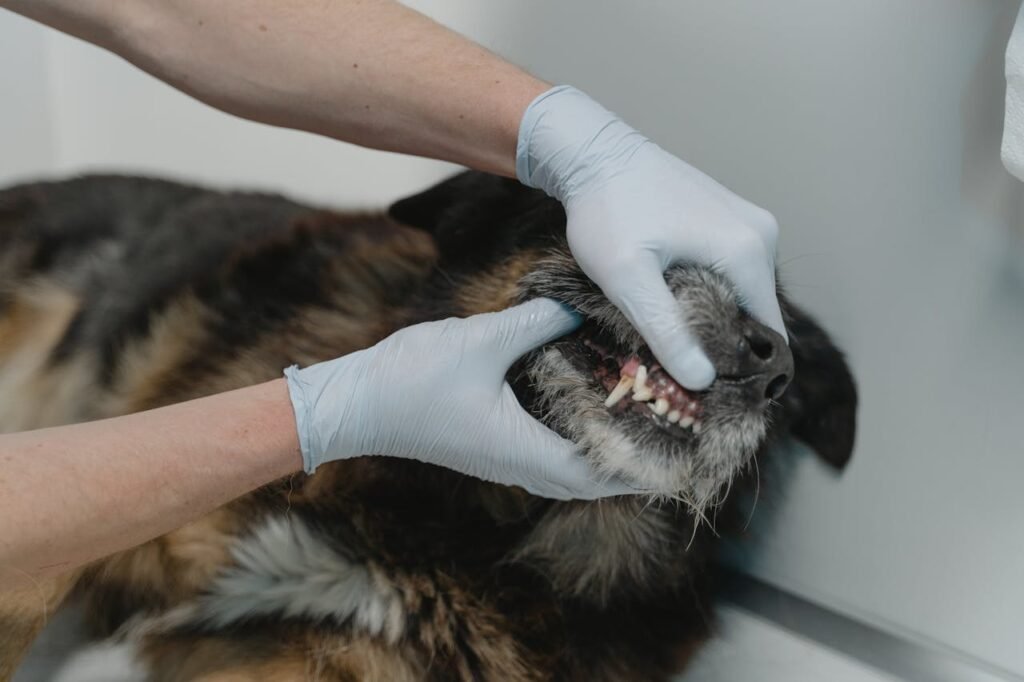
    We all want our dogs to be happy, healthy, and full of energy—but did you know that your dog’s oral health plays a major role in their overall well-being? Just like humans, dogs can suffer from dental disease, which, when left untreated, often leads to painful oral surgeries. At Langley Meadows Animal Hospital, we emphasize the importance of dog dental cleaning as a proactive way to protect your pet from discomfort, infection, and costly procedures.

    Why Dog Dental Cleaning Is More Than Just Fresh Breath

    Dog dental cleaning is not just about eliminating bad breath or yellow teeth—it’s a critical component of preventive health care. Plaque and tartar naturally build up on your dog’s teeth over time, especially along the gumline. When not professionally removed, this buildup can lead to:

    • Gingivitis and Periodontal Disease
    • Painful abscesses and infections
    • Loose or lost teeth
    • Difficulty eating or chewing
    • Bacteria spreading to vital organs like the heart and kidneys

    Many of these problems develop silently. By the time you notice something is wrong—like your dog not eating, pawing at their mouth, or having foul-smelling breath—the damage may already require surgical intervention.

    What Happens During a Professional Dog Dental Cleaning?

    When you bring your dog to Langley Meadows Animal Hospital for a dental cleaning, we perform a comprehensive oral exam to assess their overall dental health. This allows us to detect signs of infection, damage, or hidden issues early.

    Here’s what a professional dog dental cleaning typically includes:

    1. Pre-anesthetic evaluation – to ensure your pet is healthy enough for anesthesia
    2. Safe anesthesia – for pain-free, stress-free cleaning
    3. Removal of plaque and tartar – from the surface and below the gumline
    4. Polishing – to smooth tooth surfaces and slow future plaque buildup
    5. Oral exam under anesthesia – to check for broken or loose teeth, gum recession, or hidden abscesses
    6. Protective treatments – like fluoride or dental sealants to strengthen teeth

    This deep clean goes far beyond what can be accomplished with at-home brushing or dental chews. It’s thorough, precise, and targeted at preventing the kind of damage that leads to painful surgeries.

    The Cost of Neglecting Dental Care: When Cleaning Turns Into Surgery

    Without regular dental cleanings, plaque hardens into tartar, which pushes under the gumline and causes inflammation and infection. Over time, this leads to:

    • Tooth root abscesses
    • Severe gum disease (periodontitis)
    • Tooth extractions
    • Jaw bone infections or fractures

    These conditions often require surgery under general anesthesia and come with longer recovery times, higher costs, and more discomfort for your dog. In contrast, regular dental cleanings are far less invasive and much more affordable in the long run.

    Signs Your Dog May Need a Dental Cleaning

    Wondering if your dog’s teeth are due for a cleaning? Look out for these common signs:

    • Persistent bad breath
    • Red or bleeding gums
    • Excessive drooling
    • Visible tartar buildup (yellow or brown coating)
    • Loose or missing teeth
    • Difficulty chewing or eating
    • Changes in behavior, such as irritability or pawing at the mouth

    If you notice any of these symptoms, it’s time to schedule an appointment. Catching dental issues early often means avoiding more serious procedures.

    How Often Should My Dog Have a Dental Cleaning?

    The ideal frequency for dog dental cleaning depends on your pet’s breed, age, and dental history. Small breed dogs and brachycephalic (short-nosed) breeds are especially prone to dental issues and may need cleanings once or even twice a year.

    At Langley Meadows Animal Hospital, we offer personalized dental care plans that include regular assessments and cleaning schedules tailored to your dog’s unique needs. Our team works with you to ensure your pet receives proactive care before problems arise.

    Tips for Maintaining Your Dog’s Oral Health Between Cleanings

    While professional cleanings are essential, good at-home care makes a big difference:

    • Brush your dog’s teeth regularly with a vet-approved toothpaste
    • Use dental chews and toys that help reduce plaque
    • Feed a balanced, vet-recommended diet
    • Schedule routine dental checkups and cleanings

    We also offer prescribed pet food and supplements specifically designed to support oral health. Ask us during your next visit!

    Keep Your Dog Smiling with Langley Meadows Animal Hospital

    Preventing oral disease is one of the best ways to avoid pain, surgery, and unnecessary costs. At Langley Meadows Animal Hospital, we take a proactive approach to dental care with safe, effective, and compassionate dog dental cleaning services.

    Our mission is to help your loyal companion live a comfortable, pain-free life—starting with their smile. Whether your dog is a tiny puppy or a gentle senior, we provide expert care at every stage.

    Ready to protect your dog’s smile? Book an appointment today and give your furry friend the dental care they deserve.

  • Why Flea and Tick Prevention Is Not Just About Comfort: The Hidden Dangers for Pets

    Why Flea and Tick Prevention Is Not Just About Comfort: The Hidden Dangers for Pets

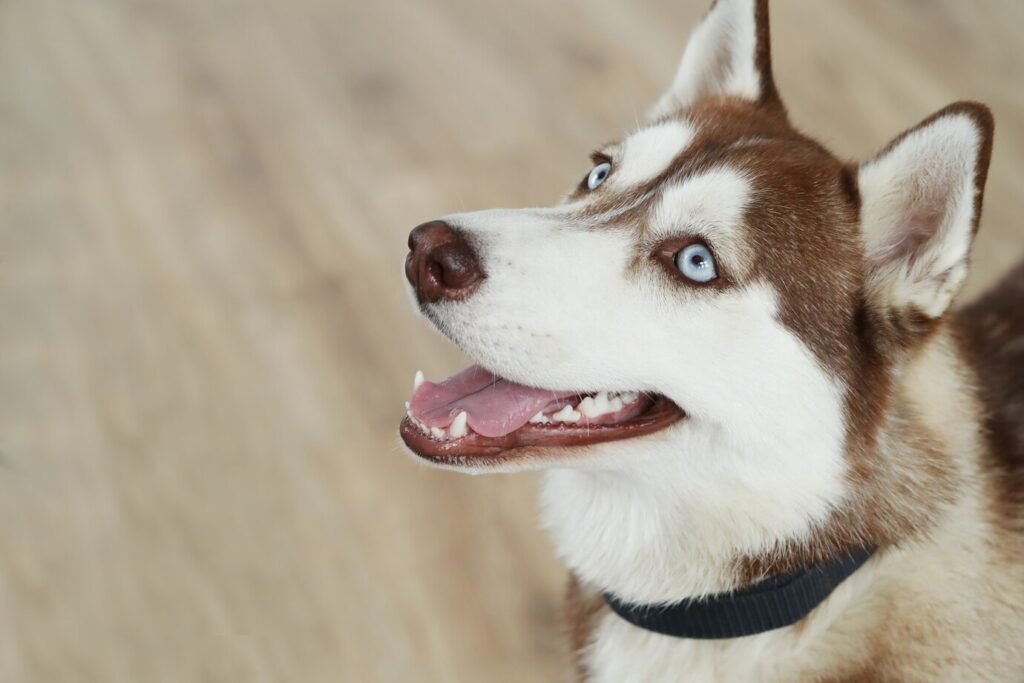
    If your furry companion has ever scratched obsessively or seemed irritated after playing outside, fleas or ticks might be the culprits. But these pests do more than cause discomfort—they carry serious health risks for your pet and even your family. At Langley Meadows Animal Hospital, we believe that flea and tick prevention is not just a seasonal necessity but an integral part of your pet’s lifelong wellness.
    The Real Threat Behind Fleas and Ticks

    Many pet owners underestimate the potential harm that fleas and ticks can cause. Beyond the itching and scratching, these parasites are vectors for dangerous diseases that can affect not only pets but also humans.

    • Fleas can transmit tapeworms and cause flea allergy dermatitis—a painful condition that can lead to skin infections, hair loss, and behavioral changes due to chronic irritation.
    • Ticks are notorious for spreading Lyme disease, Ehrlichiosis, and Anaplasmosis, all of which can have serious, long-term health effects in dogs and cats. Some of these diseases are zoonotic, meaning they can be transmitted from animals to humans.

    More Than Skin Deep: The Impact on Your Pet’s Health

    Fleas and ticks feed on your pet’s blood, which over time can lead to anemia, especially in puppies, kittens, or small-breed pets. In severe cases, this can become life-threatening.

    Additionally, many pets develop allergic reactions to flea saliva. This hypersensitivity can cause rashes, swelling, and secondary infections that require more aggressive medical treatments. The cycle is painful and avoidable with proper prevention.

    Infestations Don’t Stop at Your Pet

    It’s easy to forget that fleas and ticks can quickly spread into your home. Carpets, furniture, and even your bed can become hotspots for flea eggs and larvae. A small oversight in prevention could lead to a full-blown infestation, which not only puts all household pets at risk but also creates an uncomfortable living environment for your family.

    The Benefits of Regular Flea and Tick Prevention

    At Langley Meadows Animal Hospital, our Pet Care Services are designed to offer comprehensive, customized care plans that support every aspect of your pet’s health—including flea prevention and control.

    Here’s what regular flea and tick prevention can do for your pet:

    • Prevent the spread of diseases and secondary infections
    • Protect against allergic reactions and skin issues
    • Keep your pet comfortable and itch-free
    • Avoid costly vet visits and emergency treatments
    • Ensure a pest-free home environment

    We offer safe, vet-approved flea and tick treatments, including topical applications and oral medications. Our team tailors each prevention plan to your pet’s age, size, breed, and lifestyle.

    How We Help: Expert Prevention Plans That Work

    Our Flea Prevention and Control services focus on stopping infestations before they start. We begin with a thorough assessment of your pet’s health and exposure risks, followed by the most appropriate treatment plan. Whether it’s a playful kitten or a gentle senior dog, our prevention strategies are always:

    • Safe and effective
    • Breed and size-appropriate
    • Easy to administer
    • Thoroughly explained by our team

    We also provide Tick Prevention services, including tick checks during every visit and advice on keeping your home and yard pest-free. And don’t forget about Heartworm Prevention, which goes hand-in-hand with protecting your pet from mosquito-borne threats.

    Pro Tips to Keep Your Pet Safe Year-Round

    Alongside vet-prescribed prevention, you can take the following steps to minimize risks:

    • Keep your pet’s bedding and play areas clean
    • Vacuum frequently to remove eggs and larvae
    • Mow your lawn and trim bushes regularly
    • Inspect your pet after outdoor activities
    • Schedule regular vet checkups for wellness and prevention

    Our friendly team at Langley Meadows Animal Hospital is here to guide you every step of the way. From puppies and kittens to giant breeds, we offer gentle, expert care that adapts to your pet’s specific needs.

    A Happier, Healthier Pet Starts Here

    Your pet deserves a life free from the pain and risk of parasites. Flea and tick prevention isn’t just about comfort—it’s about protecting your pet from hidden dangers that could compromise their health, quality of life, and even your home.

    At Langley Meadows Animal Hospital, we’re more than just a clinic—we’re your trusted partner in pet wellness. Contact us today to book an appointment and learn how we can help you keep your pet safe, healthy, and thriving.

  • Signs Your Dog May Need Dental Prophylaxis: A Guide to Better Oral Health

    Signs Your Dog May Need Dental Prophylaxis: A Guide to Better Oral Health

    Dental health is an essential aspect of your dog’s overall well-being. Many pet owners underestimate the importance of routine dental care, but neglecting it can lead to serious health issues like periodontal disease or tooth loss. A dental prophylaxis dog procedure is a preventive measure that ensures your furry friend’s teeth and gums stay healthy. Here are some signs that indicate it might be time to schedule a cleaning.

    1. Persistent Bad Breath

    While occasional bad breath is normal, a consistent foul odor could signal plaque buildup or gum disease. A professional dental prophylaxis dog cleaning can remove harmful bacteria, restoring freshness to your pet’s breath.

    2. Swollen or Bleeding Gums

    Healthy gums should be pink and firm. Red, swollen, or bleeding gums are often an early sign of gingivitis or periodontal disease. Regular dental care, including scaling and polishing, can prevent these conditions from worsening.

    3. Difficulty Eating or Chewing

    If your dog shows discomfort while eating or avoids chewing altogether, it might be due to dental pain caused by decayed teeth or gum issues. A dental prophylaxis dog procedure can alleviate this pain and improve their quality of life.

    4. Excessive Drooling

    Excessive drooling can indicate oral discomfort or underlying dental problems. If you notice this symptom alongside others like bad breath or difficulty eating, it’s time for a veterinary check-up.

    5. Visible Tartar Buildup

    Tartar on your dog’s teeth appears as yellow or brown deposits along the gum line. This hardened plaque cannot be removed with regular brushing and requires professional scaling during a dental prophylaxis dog cleaning.

    6. Behavioral Changes

    Unexplained irritability or withdrawal in your dog could be linked to oral pain. Addressing their dental health through routine prophylactic care can help them feel comfortable and happy again.

    What Does a Dental Prophylaxis Dog Procedure Involve?

    A dental prophylaxis dog procedure typically includes:

    • Scaling to remove plaque and tartar above and below the gum line.
    • Polishing to smooth tooth surfaces and reduce future plaque buildup.
    • Dental X-rays to identify hidden issues like root infections or bone loss.
    • Extractions if necessary for severely damaged teeth.

    These steps ensure comprehensive oral care, preventing more serious health problems down the line.

    Why Is Dental Prophylaxis Important for Dogs?

    Periodontal disease is one of the most common conditions in dogs over three years old, affecting up to 80% of pets if left untreated. It begins with plaque buildup and can progress to painful infections, tooth loss, and even systemic diseases affecting the heart, liver, and kidneys. Regular dental prophylaxis not only prevents these issues but also improves your dog’s overall health and longevity.

    Conclusion

    Your dog depends on you for their health and happiness, including their oral care. By recognizing the signs that your pet may need a dental prophylaxis dog procedure, you’re taking an important step toward ensuring their long-term well-being.At Langley Meadows Animal Hospital, we offer expert dental services tailored to your pet’s needs. From routine cleanings to advanced diagnostics like X-rays, our team is here to help maintain your dog’s bright smile and healthy gums. Contact us today to schedule an appointment!

  • Why Regular Cat Grooming is Essential for Your Pet’s Health and Well-Being

    Why Regular Cat Grooming is Essential for Your Pet’s Health and Well-Being

    Cats are known for their meticulous grooming habits, but even the most fastidious feline needs a helping hand from time to time. Regular cat grooming is more than just keeping your cat looking neat—it’s a vital part of their overall health and well-being. Here’s why you should prioritize grooming for your furry friend.

    1. Preventing Matting and Skin Issues

    Cats with long or dense fur are prone to matting, which can lead to discomfort, skin irritation, and even infections. Mats pull on your cat’s skin, causing pain and restricting movement. Professional grooming services, like demating, gently remove these tangles, ensuring your cat’s coat remains healthy and stress-free.

    2. Reducing Shedding

    Excessive shedding can be a nuisance for both cats and their owners. Regular brushing during cat grooming sessions helps remove loose fur before it ends up all over your home. This not only keeps your living space cleaner but also reduces the risk of hairballs—a common issue in cats caused by ingesting fur during self-grooming.

    3. Early Detection of Health Issues

    Grooming sessions provide an opportunity to spot potential health problems early. For instance:

    • Lumps or bumps under the skin may indicate underlying issues.
    • Fleas, ticks, or other parasites can be identified and treated promptly.
    • Skin conditions such as dryness or redness can signal allergies or infections.
      By catching these concerns early, you can ensure timely veterinary care for your pet.

    4. Maintaining Nail Health

    Overgrown nails can lead to discomfort or injuries in cats. Sedated nail trims are an excellent option for cats who are anxious or resistant to traditional nail cutting methods. Keeping nails at an appropriate length prevents problems like ingrown nails and ensures your cat’s comfort.

    5. Enhancing Comfort with Specialized Grooming

    For cats requiring extensive grooming due to severe matting or thick coats, services like sedated lion shave cuts offer a safe and effective solution. These procedures not only improve coat manageability but also enhance your cat’s overall comfort and hygiene.

    6. Strengthening the Bond Between You and Your Pet

    Regular grooming fosters trust between you and your cat. Whether you’re brushing their fur at home or taking them to a professional groomer, the process helps build a stronger connection through gentle care and attention.

    Conclusion

    Grooming is not just about aesthetics—it’s a critical aspect of your cat’s health routine. At Langley Meadows Animal Hospital, we offer expert cat grooming services tailored to meet the unique needs of each pet, ensuring they stay happy, healthy, and comfortable. From demating tangled fur to sedated nail trims, our compassionate team is here to support your cat’s well-being every step of the way.

    Invest in regular grooming for your feline friend—it’s an act of love that pays off in their health and happiness!

  • Heartworm Disease in Cats vs. Dogs: Key Differences and Special Consideratios

    Heartworm Disease in Cats vs. Dogs: Key Differences and Special Consideratios

    Heartworm disease is a serious and potentially fatal condition affecting both dogs and cats. While both species can become infected through mosquito bites, the disease manifests differently in each. Understanding these differences is crucial for pet owners to ensure proper prevention and care. In this article, we will explore how heartworm disease impacts dogs and cats, the unique challenges it poses for felines, and the best strategies for prevention and management.

    Understanding Heartworm Disease

    Heartworm disease is caused by a parasitic worm called Dirofilaria immitis. These worms are transmitted through the bite of an infected mosquito, entering a pet’s bloodstream as microscopic larvae. Over time, they mature into adult worms that inhabit the heart, lungs, and blood vessels, leading to severe health complications.

    Heartworm Disease in Dogs vs. Cats

    Although both species can contract heartworm disease in the same way, the impact on their health differs significantly.

    1. Infection Rate and Worm Burden

    • Dogs: Dogs are natural hosts for heartworms. When infected, they can harbor dozens or even hundreds of adult worms, which can live in their bodies for 5 to 7 years. Because of this, untreated heartworm disease in dogs often leads to severe cardiovascular and respiratory problems.
    • Cats: Cats are considered atypical hosts, meaning heartworms struggle to survive in their bodies. Most infected cats have only one or two worms, and many larvae never reach adulthood. However, the presence of even a few worms can cause serious complications due to a cat’s intense immune response.

    2. Symptoms of Heartworm Disease

    • Dogs: Symptoms in dogs develop gradually and may include coughing, difficulty breathing, fatigue, weight loss, and swollen abdomen due to fluid buildup. As the disease progresses, it can lead to heart failure and death if untreated.
    • Cats: Heartworm disease in cats often mimics other respiratory conditions like asthma. Symptoms can include coughing, wheezing, vomiting, loss of appetite, and sudden collapse. Unlike dogs, cats may show severe reactions even with a minimal worm burden, making the disease harder to detect and treat.

    3. Diagnosis Challenges

    • Dogs: Diagnosing heartworm disease in dogs is relatively straightforward using blood tests that detect heartworm proteins (antigens) and microfilariae (baby heartworms) in the bloodstream.
    • Cats: Diagnosis in cats is more complicated. Standard antigen tests often fail to detect infections because cats typically have fewer worms. Veterinarians may use a combination of antigen and antibody tests, X-rays, and ultrasounds to confirm an infection.

    4. Disease Progression and Severity

    • Dogs: In dogs, heartworms grow and reproduce, causing extensive damage to the heart and lungs over time. Without treatment, most infected dogs will suffer from long-term complications and, eventually, heart failure.
    • Cats: Cats’ immune systems react aggressively to heartworm larvae, leading to a condition called Heartworm-Associated Respiratory Disease (HARD). Even immature worms can trigger severe inflammation in the lungs, leading to chronic respiratory issues or sudden death.

    5. Treatment Options

    • Dogs: Heartworm treatment in dogs is available but can be risky and expensive. It involves multiple injections of a drug called melarsomine dihydrochloride, hospitalization, and strict activity restriction to prevent complications from dying worms.
    • Cats: Unlike dogs, there is no approved treatment for heartworm disease in cats. Veterinarians can only provide supportive care, such as corticosteroids to reduce inflammation and oxygen therapy for breathing difficulties. This makes prevention absolutely essential.

    Prevention: The Best Defense

    Given the severe consequences of heartworm disease, prevention is the safest and most cost-effective approach. Here’s how you can protect your pets:

    Preventive Medications

    • Dogs: Monthly oral or topical heartworm preventatives, such as ivermectin, milbemycin oxime, or selamectin, effectively kill larvae before they mature.
    • Cats: Despite the lower infection rate, cats should still receive veterinarian-approved heartworm preventatives. Many cat owners mistakenly believe their pets are safe indoors, but studies show that up to 25% of infected cats are indoor-only.

    Mosquito Control

    Reducing mosquito exposure can further lower the risk of infection:

    • Use pet-safe mosquito repellents.
    • Keep windows and doors screened.
    • Eliminate standing water where mosquitoes breed.

    Regular Veterinary Checkups

    Annual heartworm testing is recommended for dogs, even if they are on preventatives. For cats, routine veterinary visits help monitor their health and detect any early signs of respiratory issues linked to heartworm infection.

    Conclusion

    While both dogs and cats are vulnerable to heartworm disease, their experiences with the parasite are drastically different. Dogs can develop life-threatening infections with high worm burdens, while cats may suffer from severe respiratory complications even with just a few worms. Since there is no approved treatment for cats, prevention is especially critical.

    Pet owners should work closely with their veterinarians to establish a year-round heartworm prevention plan tailored to their pets’ needs. By taking proactive measures, you can ensure your furry companions stay protected from this serious disease. If you have any concerns or need guidance on the best heartworm prevention for your pet, don’t hesitate to contact your veterinarian today!

  • Post-Surgery Recovery Tips for Pets After Orthopedic Surgery

    Post-Surgery Recovery Tips for Pets After Orthopedic Surgery

    Pet orthopedic surgery is a major procedure that requires careful post-operative care to ensure a smooth recovery. Whether your pet has undergone joint, ligament, or bone surgery, following the right steps can prevent complications and help them heal properly. Here’s what you need to know about post-surgery care for your pet.

    Follow Your Veterinarian’s Instructions

    Your vet will provide specific post-surgery care guidelines based on your pet’s condition. These instructions cover medication schedules, wound care, activity restrictions, and diet changes. Follow them precisely, and don’t hesitate to ask questions if something is unclear. Keeping a written copy of the instructions handy can be useful.

    Managing Anesthesia Side Effects

    After pet orthopedic surgery, pets may feel groggy, disoriented, or nauseous due to anesthesia. Loss of appetite and mild lethargy are common but should subside within 24 hours. Offer a small, bland meal like boiled chicken and rice to ease digestion. Ensure they rest in a quiet, comfortable space to recover from anesthesia’s effects.

    Restrict Movement to Prevent Injury

    Excessive movement can disrupt healing and lead to complications. Prevent running, jumping, and climbing stairs for the duration recommended by your vet. Crate rest may be necessary for certain procedures.

    Set up a confined recovery space:

    • Use a playpen, crate, or small room with soft bedding.
    • Remove furniture or obstacles that could encourage jumping.
    • Use baby gates to block off stairs.
    • Supervise bathroom breaks on a short leash.

    Managing Pain and Medication

    Your vet will prescribe pain medications and possibly antibiotics. Administer them on schedule to keep discomfort under control and prevent infections. Use a calendar or phone reminder to track doses and avoid missed or double doses.

    Common medications include:

    • Non-Steroidal Anti-Inflammatory Drugs (NSAIDs): Reduce pain and inflammation.
    • Opioids: Used for severe pain but require careful dosing.
    • Antibiotics: Prevent infections after surgery.
    • Sedatives or Anti-Anxiety Medications: Help pets stay calm during recovery.

    If your pet seems excessively drowsy or shows signs of distress, contact your vet immediately.

    Caring for the Incision Site

    Proper wound care prevents infections and speeds up healing. Keep the incision site dry and monitor it daily for redness, swelling, discharge, or a foul smell—signs of infection.

    Tips for incision care:

    • Prevent licking or biting: Use an Elizabethan collar (E-collar) or an alternative recovery suit.
    • Keep bandages dry: Cover them with plastic wrap during outdoor trips and remove the covering indoors.
    • Avoid baths: Do not bathe your pet until the vet confirms it’s safe.
    • Check stitches regularly: If they appear loose or missing, call your vet immediately.

    Providing Proper Nutrition

    Good nutrition supports healing. Stick to your pet’s normal diet unless advised otherwise. If their appetite is low, offer small, frequent meals.

    Recommended foods:

    • Lean proteins: Chicken, turkey, or fish for muscle repair.
    • Omega-3 fatty acids: Found in fish oil, these help reduce inflammation.
    • Vitamins and minerals: Calcium and vitamin D support bone healing.

    Avoid giving extra treats or table scraps that could upset their stomach.

    Physical Therapy and Gentle Exercise

    Your vet may recommend light physical therapy to aid recovery. Follow their guidance on appropriate exercises based on the type of surgery.

    Gradual movement helps rebuild strength:

    • Passive range-of-motion exercises: Gently move the affected limb as instructed by your vet.
    • Leash walking: Short, controlled walks can improve circulation and muscle tone.
    • Cold or warm compresses: Reduce swelling and stiffness as advised by your vet.

    Never force your pet to move if they seem in pain.

    Recognizing Complications Early

    Monitor your pet for warning signs of complications, such as:

    • Excessive swelling or redness around the incision
    • Persistent whining, shaking, or unusual behavior
    • Limping or refusing to use the affected limb after the initial healing phase
    • Foul-smelling discharge or bleeding from the incision
    • Loss of appetite for more than 48 hours

    If you notice any of these signs, contact your vet immediately.

    Keeping Your Pet Mentally Stimulated

    Recovery can be frustrating for active pets. Boredom can lead to anxiety or restlessness, so provide low-energy enrichment activities.

    Ideas for mental stimulation:

    • Interactive toys: Puzzle feeders and slow feeders can keep their mind engaged.
    • Gentle petting and massages: Offer comfort and relaxation.
    • Calming music or audiobooks: Create a soothing environment.

    Avoid activities that encourage excessive movement.

    Gradual Return to Normal Activity

    Full recovery from pet orthopedic surgery can take weeks to months. Gradually increase activity levels under your vet’s guidance. Avoid off-leash play, running, or jumping until fully cleared.

    Rehabilitation tips:

    • Start with short walks and increase duration slowly.
    • Allow supervised play in controlled environments.
    • Schedule follow-up vet visits to track healing progress.

    Rushing the process can lead to setbacks, so patience is key.

    Conclusion

    Helping your pet recover after pet orthopedic surgery requires patience and diligence. By following your vet’s instructions, managing pain effectively, restricting movement, and providing mental stimulation, you can ensure a smoother healing process. Regular check-ups and a gradual return to normal activity will set the foundation for a full recovery.

    If you have any concerns, don’t hesitate to contact us for expert guidance and support.

  • Effective Flea Treatments for Dogs: A Comparative Guide

    Effective Flea Treatments for Dogs: A Comparative Guide

    Flea infestations can cause significant discomfort for dogs and lead to serious health issues if not addressed promptly. With a plethora of flea treatment options available, it can be challenging for pet owners to determine the most effective solution for their furry companions. This guide will compare various flea treatment options, including topical treatments, oral medications, and collars, to help you make an informed decision.

    Topical Treatments

    Topical flea treatments are applied directly to your dog’s skin and are designed to kill fleas on contact or through ingestion when the flea bites your pet. Here are some popular options:

    1. Frontline® Gold

    • Active Ingredients: Fipronil, (s)-methoprene, and pyriproxyfen.
    • Effectiveness: Kills fleas and ticks within hours.
    • Duration: Monthly application.
    • Notes: Suitable for dogs over 8 weeks old and weighing more than 5 pounds.

    2. Advantage® II

    • Active Ingredients: Imidacloprid and pyriproxyfen.
    • Effectiveness: Kills all life stages of fleas within hours but does not prevent ticks.
    • Duration: Monthly application.
    • Notes: Safe for dogs over 7 weeks old and weighing more than 3 pounds.

    3. K9 Advantix® II

    • Active Ingredients: Imidacloprid, permethrin, and pyriproxyfen.
    • Effectiveness: Repels and kills fleas, ticks, mosquitoes, and biting flies.
    • Duration: Monthly application.
    • Notes: Not safe for cats; should be used with caution in multi-pet households.

    Oral Medications

    Oral flea treatments are chewable tablets that provide systemic protection against fleas. They often begin working quickly and can be a convenient option for many pet owners.

    1. NexGard®

    • Active Ingredient: Afoxolaner.
    • Effectiveness: Starts killing fleas within four hours; effective against several types of ticks.
    • Duration: Monthly administration.
    • Notes: Suitable for dogs over 8 weeks old and weighing more than 4 pounds.

    2. Bravecto®

    • Active Ingredient: Fluralaner.
    • Effectiveness: Kills fleas within two hours and ticks within 12 hours.
    • Duration: Lasts up to three months per dose.
    • Notes: Can be given as a chewable tablet or topical solution.

    3. Comfortis®

    • Active Ingredient: Spinosad.
    • Effectiveness: Kills fleas within 30 minutes of administration.
    • Duration: Monthly administration.
    • Notes: Suitable for dogs over 14 weeks old and weighing more than 5 pounds.

    Flea Collars

    Flea collars provide continuous protection by releasing active ingredients that repel or kill fleas and ticks over an extended period.

    1. Seresto®

    • Active Ingredients: Imidacloprid and flumethrin.
    • Effectiveness: Kills fleas within 24 hours; ticks killed within 48 hours.
    • Duration: Effective for up to eight months.
    • Notes: Should be replaced if the dog swims frequently or is bathed often.

    Effectiveness in Different Scenarios

    When choosing a flea treatment, consider your dog’s lifestyle, health status, and any existing infestations:

    1. For Quick Relief from Fleas:
      • Oral medications like NexGard or Comfortis can provide rapid results.
    2. For Long-Term Prevention:
      • Bravecto offers extended protection with just one dose every three months.
    3. For Multi-Pet Households:
      • Topical treatments like Frontline® Gold or collars like Seresto® can help manage infestations without the risk of toxicity to other pets.
    4. For Dogs with Allergies or Sensitivities:
      • Consult your veterinarian about the best options tailored to your dog’s specific needs.

    Conclusion

    Selecting the right flea treatment for your dog is crucial for ensuring their comfort and health. By comparing various options—topical treatments, oral medications, and collars—you can find the most effective solution tailored to your pet’s lifestyle and needs.

    At Langley Meadows Animal Hospital, we are dedicated to providing comprehensive care for your pets, including guidance on flea prevention and treatment options. If you have any questions or need assistance in choosing the best flea treatment for your dog, please reach out to our experienced team.
    For expert advice on flea treatments tailored to your dog’s needs, contact us today!

  • Understanding Dog Dental Cleaning: What to Expect

    Understanding Dog Dental Cleaning: What to Expect

    Maintaining your dog’s dental health is crucial for their overall well-being. Professional dog dental cleaning is an essential part of preventive care that helps prevent dental disease, which can lead to more severe health issues if left untreated. This blog will provide a comprehensive overview of what happens during a professional dental cleaning for dogs, including the steps involved, the use of anesthesia, and post-procedure care.

    The Importance of Dental Cleaning

    Dental disease is one of the most common health issues affecting dogs, with over 80% of pets over the age of two showing signs of oral health problems. Regular dental cleanings help to:

    • Prevent Tartar Buildup: Tartar can lead to gum disease and tooth loss if not removed.
    • Reduce Bad Breath: Professional cleaning helps eliminate the bacteria that cause unpleasant odors.
    • Promote Overall Health: Poor dental health can lead to systemic issues affecting the heart, liver, and kidneys.

    What to Expect During a Professional Dental Cleaning

    Step 1: Initial Examination

    Before any cleaning takes place, your veterinarian will perform a thorough examination of your dog. This includes checking the mouth for signs of dental disease, assessing overall health, and determining if any additional treatments are needed.

    Step 2: Pre-Anesthetic Blood Work

    To ensure your dog is healthy enough for anesthesia, blood work will be conducted. This tests organ function and checks for any underlying health issues that may affect the anesthesia process. Depending on the results, your veterinarian may adjust the anesthesia plan accordingly.

    Step 3: Anesthesia Induction

    Once cleared for anesthesia, your dog will be sedated to ensure they remain calm and pain-free during the procedure. An intravenous catheter may be placed for administering medications and fluids. An endotracheal tube will also be inserted to maintain an open airway and deliver oxygen and anesthetic gas.

    Step 4: Monitoring During Anesthesia

    Throughout the procedure, your pet’s vital signs will be closely monitored by trained veterinary staff. This includes heart rate, respiratory rate, blood pressure, and oxygen levels. Continuous monitoring ensures your pet remains stable and safe during the cleaning process.

    Step 5: Dental Radiographs

    X-rays are an essential part of a comprehensive dental cleaning. They allow veterinarians to assess the health of teeth below the gum line, identifying any issues that may not be visible during a visual examination. This step is crucial for detecting periodontal disease or other dental problems early.

    Step 6: Scaling

    The actual cleaning begins with scaling, which involves removing plaque and tartar from both above and below the gum line. Ultrasonic scalers are typically used to break up hard deposits effectively. Hand instruments may also be employed for precision cleaning in hard-to-reach areas.

    Step 7: Polishing

    After scaling, each tooth is polished using a specialized paste that smooths the surface of the teeth. Polishing removes any remaining plaque and helps create a smooth surface that makes it harder for bacteria to adhere in the future.

    Step 8: Post-Cleaning Examination

    Once the cleaning is complete, your veterinarian will conduct a final examination of your dog’s mouth to ensure all tartar has been removed and assess any areas that may require further treatment or extraction.

    Post-Procedure Care

    After the dental cleaning, your dog will be monitored as they recover from anesthesia. Here are some important post-procedure care tips:

    • Watch for Side Effects: Monitor your dog for any unusual behavior or signs of discomfort as they wake up from anesthesia.
    • Dietary Considerations: Your veterinarian may recommend a soft diet for a few days following the procedure.
    • Follow-Up Appointments: Schedule any necessary follow-up visits based on your veterinarian’s recommendations to ensure ongoing oral health.

    Conclusion

    Understanding what to expect during dog dental cleaning can help alleviate concerns and prepare you for this essential aspect of pet care. Regular dental cleanings play a vital role in maintaining your dog’s oral health and preventing more serious health issues down the line.

    At Langley Meadows Animal Hospital, we prioritize compassionate care and utilize advanced technology to ensure your pet receives top-notch dental services. If you have questions about scheduling a dental cleaning or need further information about maintaining your dog’s oral health, please reach out to our dedicated team.

    For expert veterinary care and personalized advice on maintaining your dog’s dental health, contact us today!

  • Travelling Safely with Your Pet: A Guide for Happy Adventures

    Travelling Safely with Your Pet: A Guide for Happy Adventures

    Embarking on journeys with your furry companions can be a delightful experience, but it requires careful preparation to ensure their safety and comfort. This comprehensive guide offers essential tips on traveling with pets, covering preparation steps, safety measures, and advice for a seamless and enjoyable trip for both you and your pet.

    Before your trip, schedule a visit to Langley Meadows Hospital to ensure your pet is healthy and up-to-date on vaccinations. Discuss any travel-specific concerns with your vet and obtain necessary documents, such as health certificates and vaccination records.

    Ensure your pet is microchipped with current contact information. Also, secure a collar with an ID tag that includes your contact details.

    Gradually introduce your pet to their travel carrier or crate in the weeks leading up to your trip. Use treats and positive reinforcement to create a comfortable and positive experience.

    Prepare a travel kit for your pet that includes food, water, bowls, medications, grooming supplies, a favorite blanket or toy, and essential documents. Consider including a pet first aid kit for added safety.

    When traveling, whether by car, plane, or other means, ensure your pet is safely secured in an appropriate carrier or harness. Carriers should be well-ventilated, comfortable, and spacious enough for your pet to move comfortably.

    When traveling by car, use a pet seatbelt or a securely fastened carrier to prevent your pet from moving freely. Never leave your pet unattended in a parked car, as temperatures inside can rise quickly and pose a danger.

    If flying with your pet, review the airline’s pet travel policies and requirements beforehand. Ensure your carrier meets size and ventilation standards, and gather all necessary documentation and health certificates. For personalized advice, consult with our professionals at Langley Meadows Hospital.

    During road trips, plan frequent stops to allow your pet to stretch their legs, take walks, and use the restroom. Bring along waste bags for cleaning up after your pet.

    In new accommodations, set up a comfortable space for your pet with their bed, favorite toys, and comforting items. This will help them feel more secure and at home during your travels.

    Opt for pet-friendly lodging that caters to your pet’s needs. Research hotels or vacation rentals that explicitly welcome pets and offer suitable amenities.

    Familiarize yourself with local pet regulations at your destination, including leash laws, pet-friendly areas, and any breed-specific restrictions that may apply.

    Stick to your pet’s regular schedule for feeding, walks, and playtime during your journey. Consistency helps them feel secure and comfortable in new environments.

    Protect your pet from extreme temperatures. Be cautious of hot surfaces in warm weather and provide shade, water, and rest breaks as necessary to ensure their well-being.

    Keep an eye on your pet for signs of stress or discomfort both during and after travel. Look out for changes in behavior, appetite, or energy levels that may indicate they need extra care.

    Upon returning home, help your pet settle back into their routine promptly. Providing familiar activities and affection can aid in their adjustment.

    Arrange a follow-up visit with Langley Meadows Hospital to address any health concerns that may have emerged during your travels. This ensures your pet’s continued well-being after the journey.

    Prepare for a journey that prioritizes your pet’s safety and comfort. By following these recommendations, you’ll create a memorable and rewarding travel experience that strengthens the bond with your adventurous companion. From everyone at Langley Meadows Hospital, we wish you and your pet safe travels and unforgettable adventures together!

  • Protecting Your Pet from Parasites: A Complete Guide

    Protecting Your Pet from Parasites: A Complete Guide

    Our beloved pets face numerous parasites that can impact their health. At Langley Meadows Animal Hospital, we emphasize the importance of knowing how to shield them from these threats to ensure their well-being. This blog delves into common pet parasites, the dangers they pose, and practical steps to protect your furry friends from these unwelcome invaders.

    • Indicators of Infestation: Excessive scratching, visible tiny black or brown insects on the fur, small red bumps on the skin.
    • Risks: Fleas can cause itching, skin allergies, and transmit tapeworms.
    • Indicators of Infestation: Visible tick attachments, particularly around the ears, neck, and paws.
    • Risks: Ticks can transmit diseases such as Lyme disease, Ehrlichiosis, and Anaplasmosis.
    • Indicators of Infestation: Vomiting, diarrhea, scooting, visible worm segments in feces.
    • Risks: Intestinal worms can lead to malnutrition, weight loss, and severe organ damage.
    • Indicators of Infestation: Coughing, lethargy, difficulty breathing
    • Risks: Heartworms can cause severe damage to the heart and lungs, potentially leading to heart failure.
    • Indicators of Infestation: Head shaking, scratching at the ears, dark discharge.
    • Risks: Ear mites can cause ear infections and significant discomfort.
    • Indicators of Infestation: Itching, visible lice or eggs in the fur.
    • Risks: Lice can lead to skin irritation and discomfort.

    Ensure your pet’s health with regular check-ups. Your vet can detect and address any potential parasite issues early on, recommending effective preventive measures. The team at Langley Meadows Animal Hospital is always ready to assist with these needs.

    Use vet-recommended flea and tick treatments, such as topical applications, oral medications, or collars, tailored to your pet’s specific needs. Langley Meadows Animal Hospital veterinarians can guide you on the best options.

    Follow your vet’s advice on monthly heartworm preventives, which are available as chewable tablets or topical treatments, to protect your pet from heartworm disease.

    Administer deworming treatments regularly to guard against intestinal parasites. The type and frequency will depend on your pet’s age, lifestyle, and health.

    Keep your pet’s environment clean by regularly washing bedding, toys, and living areas. This helps prevent the spread of parasites and reduces the risk of re-infestation.

    Ensure to wash your hands thoroughly after handling your pet, especially post-litter box cleaning or feces cleanup. This simple step helps prevent the transmission of parasites to humans.

    Keep a regular check on your pet’s fur and ears for any signs of parasites. Early detection is key for timely intervention. For any concerns, book a check-up at Langley Meadows Animal Hospital.

    Minimize your pet’s contact with wildlife, known carriers of parasites. Leash your pet during walks and avoid areas prone to ticks.

    In areas with higher parasite risks, use environmental treatments like flea and tick yard controls to create an inhospitable environment for parasites.

    By remaining vigilant and implementing these preventive measures, you can shield your beloved pets from common parasites that jeopardize their well-being. Collaborate with Langley Meadows Animal Hospital to devise a personalized parasite prevention strategy suited to your pet’s unique needs and lifestyle. Taking a proactive stance on parasite control guarantees your pets can thrive without unnecessary health risks.

Skip to content